

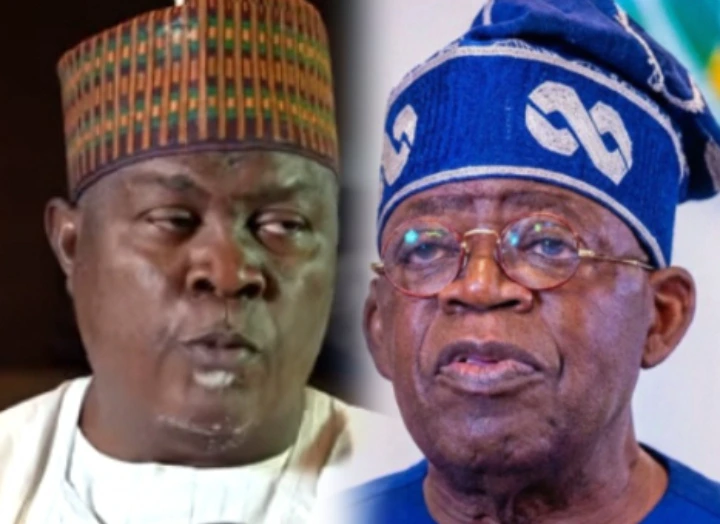
In a recent interview from 14:10 on Symfoni TV, on Friday, August 7, 2026, Umar Sani, former presidential aide and chieftain of the Peoples Democratic Party (PDP), discussed the controversy surrounding educational qualifications and the importance of transparency in the political process.
Speaking during the interview, Sani stated, “If you bring a certificate dated 1970 for a secondary school that started in 1974, that is forgery.” He made the remark while discussing the issue of educational credentials and the controversy surrounding the documentation submitted by political candidates.
According to Sani, questions about the authenticity and timeline of educational certificates can become significant when the dates stated on documents appear inconsistent with the history of the institution that allegedly issued them.
The PDP chieftain used the example of a secondary school that allegedly began operations in 1974, arguing that a certificate bearing a date earlier than the institution’s establishment would raise serious questions about its authenticity.
Sani’s comments came during a wider discussion about the 2026 amendments to Nigeria’s Electoral Act and the removal of forgery as a ground for disqualification in certain electoral circumstances. He argued that changes to electoral laws should serve the broader interests of Nigerians rather than protect individual political interests.
The former presidential aide also questioned the standard of leadership selection in Nigeria, maintaining that citizens deserve adequate information about the educational and professional backgrounds of candidates seeking public office.
He argued that meeting the minimum constitutional requirements should not prevent Nigerians from demanding greater transparency from those seeking to govern the country.
Sani further stressed the importance of education in leadership, explaining that political office holders require knowledge and managerial skills to understand policies, evaluate advice and effectively direct government institutions.
He concluded that electoral laws and the process of selecting leaders should promote transparency, accountability and public confidence, particularly when questions arise about the credentials presented by candidates seeking the highest offices in the country.