

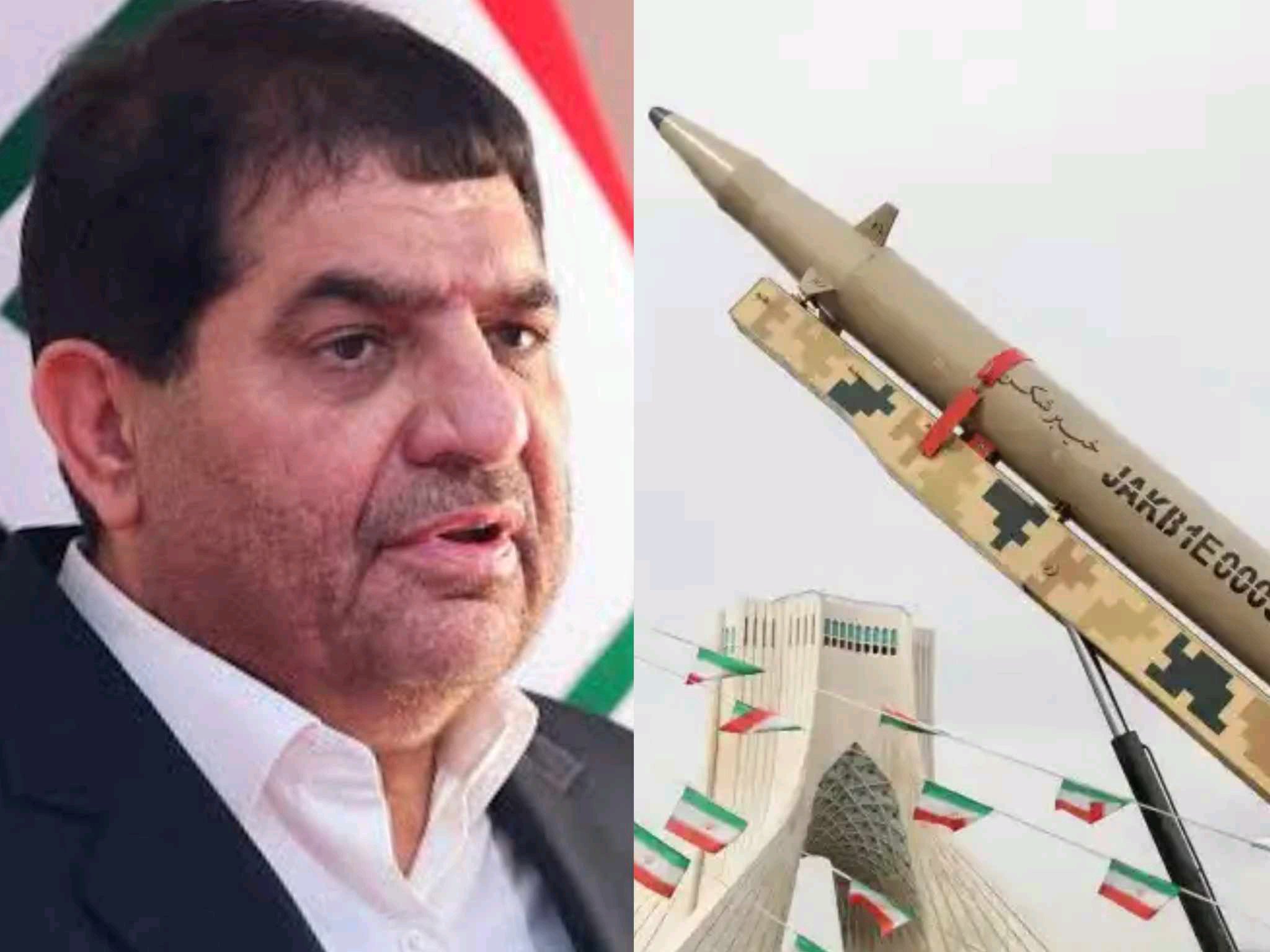
According to a report by The Times Of Israel on May 8, 2026, an adviser to Iran’s supreme leader compared Tehran’s control over the Strait of Hormuz to possessing an “atomic bomb,” stressing that the country would not surrender its strategic advantage in the crucial waterway.
Mohammad Mokhber said Iran had for years “neglected” the importance of its position along the Strait of Hormuz, a key route for global oil and gas exports. The strait was shut earlier during the Middle East conflict, disrupting international markets and leaving hundreds of ships stranded at sea.
“The Strait of Hormuz represents an opportunity as precious as an atomic bomb,” he says in a video released by the Mehr News Agency.
“Indeed, having in one’s hands a position that allows you to influence the global economy with a single decision is a major opportunity,” Mokhber adds, emphasizing the leverage Iran believes it holds over global trade and energy supplies.
He also declared that Iran would not “forfeit the gains of this war,” and stated that Tehran planned to “change the (legal) regime of this strait.” According to Mokhber, Iran would pursue such changes through international law if possible, but could act independently if necessary.
Although he did not directly mention imposing fees on ships passing through the strategic channel, maritime publication Lloyd’s List reported Friday that Iran had established an authority responsible for approving vessel transit through the Strait of Hormuz and collecting tolls from ships using the route.
The Strait of Hormuz remains one of the world’s most sensitive maritime corridors due to its importance in global energy transportation…Read_More…