

According to a report by Fox News, Iranian leadership issued a desperate appeal to the international community on April 25, 2026, warning that ongoing military operations by the United States and Israel have pushed the nation’s essential infrastructure to the brink of collapse.
The government stated that coordinated strikes have inflicted severe damage across key sectors, creating a precarious situation that threatens to trigger widespread chaos.
According to official state media, the impact of the multi-week conflict which began on February 28 has severely hampered Iran’s ability to provide basic services to its population.
The regime reported that airstrikes have systematically targeted energy facilities, transportation networks, and industrial hubs, leaving large swaths of the country struggling to maintain daily operations.
Reports indicate that these strikes have struck critical energy installations, including gas storage sites within the South Pars field.
The resulting damage has paralyzed production and severely hindered distribution, worsening an economic climate already suffering under long-standing international sanctions and oil embargoes.”
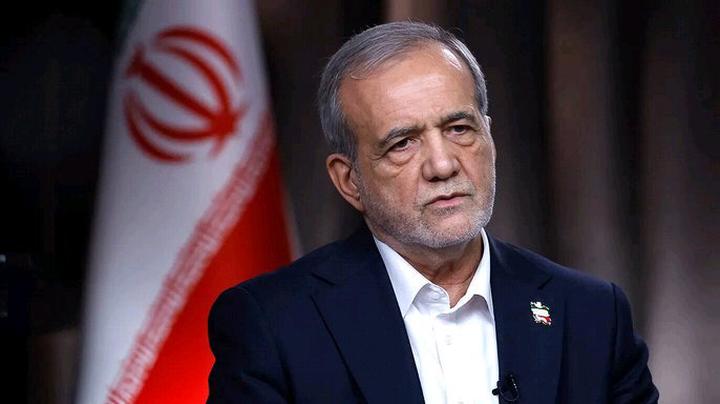
In response to the deteriorating conditions, Iranian President Masoud Pezeshkian delivered a stark warning regarding the global implications of continued military action.
Condemning what he termed the actions of “Zionist-American adversaries,” the President insisted that such aggression would ultimately yield no strategic benefit for those involved.
Pezeshkian cautioned that if the current escalation continues unchecked, it would inevitably lead to unmanageable consequences that extend far beyond Iran’s borders, potentially impacting every nation worldwide.
He urged foreign governments particularly those involved in mediation efforts to intervene immediately to halt the crisis and provide necessary assurances against further attacks on civilian infrastructure.
The conflict has already sent shockwaves through global markets, particularly following disruptions to shipping routes through the Strait of Hormuz.
Analysts fear that if the strikes on infrastructure persist, the regional instability will intensify, potentially drawing allies into an expanded Middle Eastern conflict.
Despite the dire circumstances, the Iranian government has maintained a defiant stance regarding diplomatic negotiations.
While signaling openness to indirect talks, authorities have explicitly rejected what they describe as Washington’s extreme demands, insisting that any lasting agreement must be predicated on the recognition of Iranian sovereignty and robust security guarantees…Read_More…