

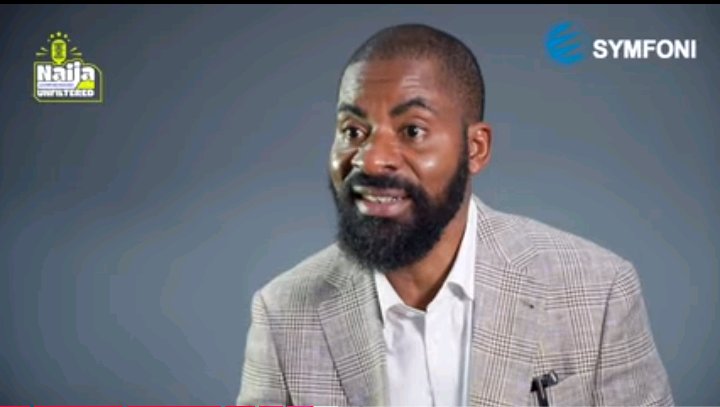
In the ever-evolving landscape of Nigeria’s political dynamics, fresh debates have emerged over the strength, structure, and credibility of the opposition ahead of the 2027 elections. Human rights lawyer and activist, Deji Adeyanju, recently ignited a wave of reactions after offering a sharp critique of both the ruling government and the fragmented state of opposition forces.
Speaking from 28:50 on the broader political climate, Adeyanju did not hold back in his assessment of the current administration, arguing that the ruling party’s performance in critical areas such as fuel pricing, national security, and economic stability has left much to be desired. According to him, these challenges have created a fertile ground for opposition parties to gain traction. However, he quickly pointed out that the opposition itself is struggling with internal disunity, describing the situation not just as division, but as deep fragmentation that weakens its collective strength.
Adeyanju went further to question the credibility and consistency of key political figures often seen as alternatives to the ruling establishment. He made controversial claims about past political alignments, suggesting that some opposition figures may not be as independent as they appear. In his view, political loyalty and past alliances continue to shape the current landscape in ways that many supporters either overlook or underestimate.
Adding another layer to the conversation, he referenced the role of prominent activists and political supporters, arguing that loyalty in Nigerian politics is rarely rewarded in the way many expect. This, he implied, raises concerns about trust, long-term commitment, and the sustainability of political movements built around personalities rather than institutions.
A significant portion of his remarks focused on former Kano State governor, Rabiu Musa Kwankwaso, whose political posture he described as passive and disconnected from the urgency required in a competitive democratic environment. Adeyanju criticized what he portrayed as a pattern of detached decision-making, suggesting that such an approach does little to inspire confidence among voters seeking active and responsive leadership.
In his words, he stated:
“Earlier today, I was watching a video, Rabiu sat in his room and declared Govship Nominee in Kano. These are the people that is coming to deepen our democracy”.
This statement has since stirred conversations across political circles, with many debating whether it reflects a deeper issue within opposition leadership or simply the reality of political maneuvering behind closed doors.
As Nigeria gradually moves closer to another election cycle, the questions raised by Adeyanju’s remarks continue to resonate. They highlight not only the challenges facing the ruling government but also the internal struggles of those seeking to replace it. For many observers, the road to 2027 may depend as much on the opposition resolving its internal contradictions as it does on holding the government accountable….Read_More…