

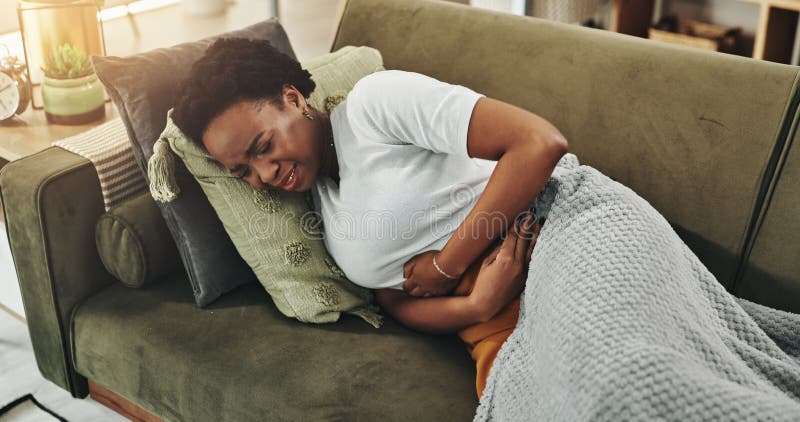
Menstrual cramps can make it difficult for a woman to work, study, sleep, or carry out her daily activities. For some women, the pain is mild and lasts a few hours, while others experience severe lower-abdominal pain that spreads to the back or thighs.
Period cramps happen when the uterus contracts to help shed its lining. Chemicals called prostaglandins contribute to these contractions, and higher levels are often associated with more painful cramps.
The good news is that several simple, affordable methods may help relieve menstrual pain. Here are ten options women can try at home.
1. Apply A Warm Water Bottle To Your Lower Abdomen
One of the simplest ways to relieve period cramps is to apply gentle heat to your lower abdomen. Fill a hot-water bottle with warm water, wrap it in a towel, and place it over the painful area. Heat helps relax muscles and may reduce discomfort. Avoid placing very hot objects directly against your skin.
2. Drink Warm Ginger Tea
Ginger is commonly used to prepare soothing drinks, and some research suggests it may help reduce menstrual pain. Wash and slice fresh ginger, boil it in water, and allow it to cool to a comfortable temperature before drinking. Avoid excessive amounts if ginger upsets your stomach or you have been advised to limit it for medical reasons.
3. Take A Warm Bath Or Shower
A warm bath or shower may help relax tense muscles and ease discomfort during menstruation. It can also help you feel more comfortable when cramps make it difficult to rest. Ensure the water is comfortably warm rather than excessively hot.
4. Try Gentle Exercise
Although exercise may be the last thing you want to do when experiencing cramps, gentle movement can help some women feel better. Try walking around your home, stretching, or doing light yoga. Do not force yourself to exercise if you feel dizzy, weak, or experience severe pain.
5. Drink Enough Water
Staying hydrated supports normal body functions and may help you feel better during your period. Drink water regularly throughout the day, especially if you are sweating or experiencing diarrhoea. Warm water is fine if you prefer it, but it has not been proven to relieve cramps better than room-temperature water.
6. Eat Nutritious Meals
During menstruation, try to eat balanced meals containing vegetables, fruits, whole grains, protein, and healthy fats. Foods such as beans, eggs, fish, leafy vegetables, and groundnuts can contribute important nutrients. Eating well supports general health, although no particular food is guaranteed to stop menstrual cramps.
7. Massage Your Lower Abdomen Gently
Using your fingertips to massage your lower abdomen in gentle circular movements may help some women feel more relaxed and comfortable. You can also gently massage your lower back if the discomfort spreads there. Stop if the massage increases your pain.
8. Get Enough Rest And Sleep
Pain can make it difficult to sleep, while tiredness may make it harder to cope with discomfort. Try to maintain a regular bedtime, rest when necessary, and use a comfortable sleeping position. Placing a pillow between your knees when lying on your side may help ease pressure on your lower back.
9. Consider An Appropriate Pain Reliever
Medicines such as ibuprofen or naproxen can help reduce menstrual cramps because they lower prostaglandin production. They are not suitable for everyone, particularly people with certain stomach ulcers, kidney problems, allergies, or other medical conditions. Ask a pharmacist or healthcare professional which option is appropriate for you, and follow the label instructions. Do not combine these medicines with one another.
10. Track Your Menstrual Cycle
Keeping a simple record of when your period begins, how severe your cramps are, and how long the pain lasts can help you prepare ahead. You can plan to have a heat pack available and discuss recurring symptoms with a healthcare professional. Tracking symptoms may also help identify patterns that need further investigation.
Related posts:

4 Reasons Why Some People Have A Lower Risk of HIV Infection Than Others

4 Places You Should Avoid Keeping Your Phone To Protect Your Health
5 Ways To Reduce Frequent Urination At Night And Sleep More Comfortably

5 Common Medicines You Should Think Twice Before Taking on Your Own And Why
5 Early Warning Signs Of An Enlarged Prostate Every Man Should Know