

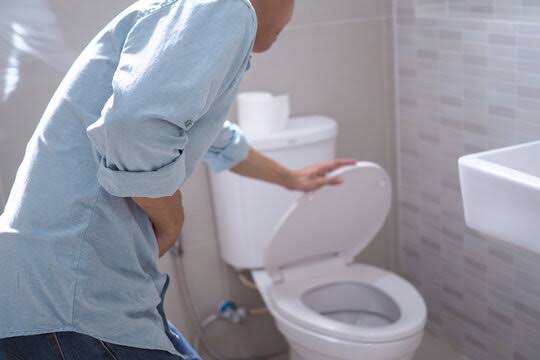
The prostate is a small gland located below the bladder in men. It surrounds part of the tube that carries urine out of the body. As men grow older, the prostate can become enlarged, a condition known as benign prostatic hyperplasia (BPH).
An enlarged prostate is not the same as prostate cancer, and the symptoms can vary from person to person. Recognising changes in urination can help you know when to seek medical attention.
Here are five warning signs men should not ignore.
1. Frequent Urination, Especially At Night
One common sign of an enlarged prostate is needing to urinate more often than usual, particularly during the night. An enlarged prostate can press against the urethra and affect how the bladder stores and releases urine. However, frequent urination can also be caused by diabetes, urinary infections, or drinking fluids close to bedtime.
2. Difficulty Starting Urination
You may notice that it takes longer to begin urinating, even when you feel that your bladder is full. This can happen when an enlarged prostate obstructs the flow of urine. If the problem persists or becomes more noticeable, arrange an appointment with a healthcare professional.
3. A Weak Or Interrupted Urine Stream
Another possible sign is a urine stream that is weaker than usual, stops and starts, or takes longer to finish. This may occur because the enlarged prostate narrows the passage through which urine flows. A doctor can assess whether the prostate or another urinary problem is responsible.
4. Feeling That Your Bladder Has Not Emptied Completely
After urinating, you may still feel as though some urine remains in your bladder. This sensation can occur when the bladder does not empty fully. Persistent incomplete emptying should be evaluated because urine retention can sometimes lead to urinary infections or other complications.
5. Dribbling After Urination
Some men experience a few drops of urine leaking after they believe they have finished urinating. This can occur with an enlarged prostate, although it may also result from other changes affecting the urinary system. If dribbling occurs alongside a weak stream or frequent nighttime urination, seek medical advice.
Related posts:

5 Natural Remedies People Use For Grey Hair And What You Should Know
5 Warning Signs Your Kidneys May Be In Trouble And When To See A Doctor

How To Lower High Blood Sugar Naturally: 5 Safe Steps You Can Take Today

5 Reasons Why You Should Avoid Sleeping With Your Phone Next To Your Head

Urinating Too Often? 4 Health Conditions That Could Explain Why You Keep Visiting The Toilet