

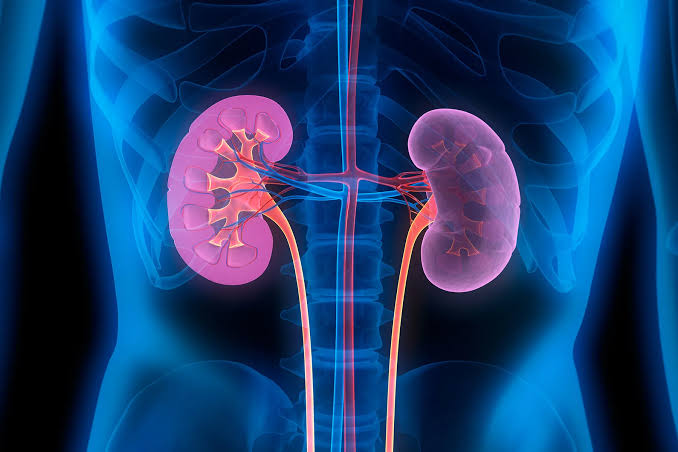
Your kidneys play an important role in filtering waste from your blood, balancing fluids, and regulating minerals in your body. However, kidney problems do not always cause noticeable symptoms in their early stages. Knowing the possible warning signs can help you seek medical attention before a condition becomes more serious.
Here are five signs you should not ignore.
1. Swelling Around Your Feet And Ankles
If your feet, ankles, or legs become unusually swollen, it may indicate that your body is retaining excess fluid. Kidney problems can sometimes cause this, although heart conditions, vein problems, and certain medications can also lead to swelling. If the swelling persists or keeps returning, arrange a medical assessment.
2. Changes In Your Urine
Noticeable changes in urination, such as consistently producing much less urine than usual, may signal a health problem. Persistent foamy urine can sometimes indicate protein in the urine, while blood in the urine needs prompt medical evaluation. These changes do not automatically mean kidney disease, but they should not be ignored.
3. Persistent Tiredness And Weakness
When kidney function is significantly reduced, waste products can accumulate in the body, and the kidneys may produce less of the hormone that helps the body make red blood cells. This can contribute to anaemia, tiredness, and weakness. However, many other conditions, including poor sleep and nutritional deficiencies, can cause similar symptoms.
4. Persistent Pain In Your Side Or Back
Pain around the side of your back, beneath the ribs, can sometimes be associated with kidney stones or a kidney infection. Kidney problems do not usually cause ordinary lower-back pain, which is often related to muscles or the spine. Seek urgent medical care if side pain occurs with fever, chills, vomiting, or painful urination.
5. Persistent Nausea, Vomiting, Or Loss Of Appetite
Advanced kidney disease can cause nausea, vomiting, reduced appetite, and an unpleasant taste in the mouth because waste products accumulate in the blood. These symptoms have many other possible causes, so a medical examination is necessary to determine what is responsible.
Related posts:

4 Possible HIV Warning Signs Men Should Know

Do You Eat Bread Every Day? Here Are 5 Possible Effects You Should Know

Do You Eat Boiled Eggs Every Day? Here Are 6 Things They May Be Doing to Your Body
4 Ways HIV Cannot Be Transmitted, Even When You Are Around Someone Living With HIV

5 Amazing Changes You May Notice In Your Body When You Eat Pears Regularly