

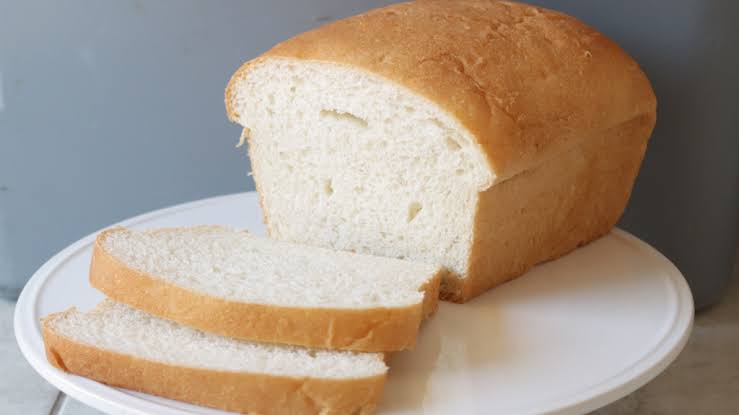
Bread is a common food in many homes because it is affordable, convenient, and easy to combine with eggs, beans, tea, or other meals. However, eating large amounts of certain types of bread without a balanced diet may affect your health over time. Here are four possible effects to understand.
1. It May Cause Your Blood Sugar To Rise Quickly
White bread is usually made from refined flour, which the body digests relatively quickly. Eating large portions may cause blood sugar to rise rapidly, particularly when the bread is eaten without foods containing fibre or protein. People with diabetes or prediabetes should pay attention to portion sizes and consider whole-grain options.
2. It May Contribute To Weight Gain
Bread does not automatically make you gain weight. However, regularly eating more calories than your body needs can lead to weight gain, especially when bread is combined with large amounts of butter, sugary spreads, or sweetened drinks. Keeping portions reasonable and eating a variety of nutritious foods can help you maintain a healthy weight.
3. It May Contribute To Constipation If Your Diet Lacks Fibre
White bread contains less fibre than whole-grain bread. If you eat mostly refined bread and rarely consume vegetables, fruits, beans, or whole grains, you may struggle to get enough fibre for regular bowel movements. Choosing whole-grain bread and drinking enough water can help support healthy digestion.
4. It May Trigger Bloating Or Discomfort In Some People
Some people experience bloating, gas, or abdominal discomfort after eating bread. This may be related to wheat sensitivity, irritable bowel syndrome, or conditions such as coeliac disease. If bread repeatedly causes symptoms, consult a healthcare professional rather than assuming that gluten is the cause.
Related posts:

4 Common Health Problems After Age 60 And How To Reduce Your Risk

5 Common Medicines You Should Think Twice Before Taking on Your Own And Why

Stomach Cancer: 5 Things To Avoid Taking Too Much If You Want To Protect Your Health
4 Simple Ways To Protect Your Eyes And Keep Your Vision Healthy As You Get Older
Here Is What Causes Cracked Heels And How To Heal Them