

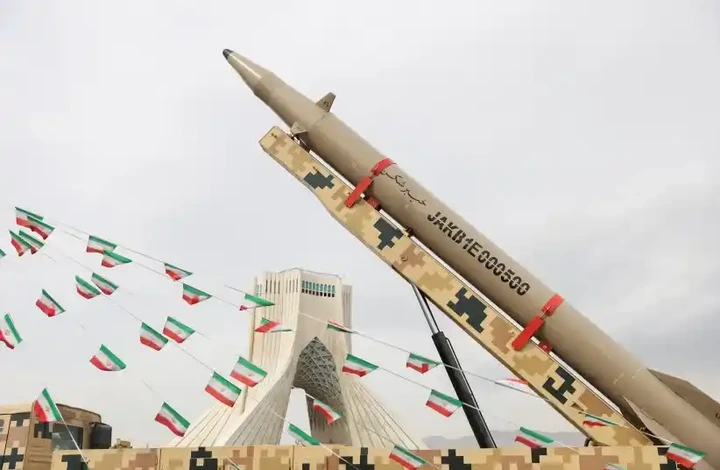
According to a report by The Times Of Israel on July 18, 2026, the Secretary-General of the Gulf Cooperation Council (GCC), Jasem Mohamed Albudaiwi, strongly condemned the recent Iranian attacks on Bahrain, Kuwait and Jordan, describing the strikes on civilian infrastructure as serious violations of international law.
In a statement, Albudaiwi said the attacks represented a dangerous escalation in regional tensions and accused Iran of deliberately targeting civilian facilities and essential infrastructure. He argued that such actions went beyond military confrontation and directly endangered civilian lives and public services across the affected countries.
“Iran’s actions constitute a highly dangerous escalation, a grave violation of international law and the United Nations (UN) Charter, as well as war crimes requiring international accountability and prosecution, given the deliberate targeting of infrastructure and civilian facilities,” Albudaiwi says in a statement.
The GCC chief stressed that attacks on non-military targets undermine regional security and stability at a time when the Middle East is already facing heightened tensions. He urged the international community to take the allegations seriously and ensure that those responsible are held accountable under international law.
Albudaiwi also emphasized the importance of respecting the principles of the UN Charter, including the protection of civilians and civilian infrastructure during armed conflict. He warned that continued attacks on public facilities could worsen the humanitarian and security situation across the region.
The statement reflects growing concern among Gulf nations over the latest developments and their potential impact on regional peace. It also reinforces the GCC’s position that any actions resulting in harm to civilian infrastructure should be subject to international scrutiny and legal accountability.
The remarks come amid escalating tensions in the region, with diplomatic efforts continuing to seek ways to prevent further violence and restore stability….See More