

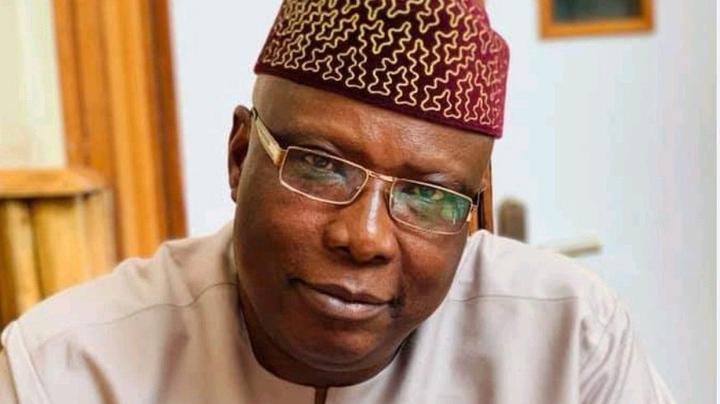
Babafemi Ojudu, a former Special Adviser to ex-Vice President Yemi Osinbajo, has recounted details of a 2017 visit to Gbaramatu in the Niger Delta, where the federal government engaged militant leaders in discussions aimed at addressing pipeline vandalism and unrest in the oil-rich region.
Speaking during an interview from 21:16 on Channels Television, Ojudu recalled accompanying Osinbajo on the trip, describing the reception they received from community and militant leaders as warm and welcoming. According to him, the delegation traveled to Gbaramatu by helicopter due to the lack of road access to the area.
Ojudu said the militant leaders expressed excitement over the visit and treated the government delegation with hospitality. He noted that gifts, including money and other items, were presented to them during the meeting.
The former presidential aide explained that Osinbajo used the opportunity to engage directly with the leaders, seeking to understand the root causes of tensions in the region and what steps the government could take to discourage attacks on oil pipelines and other critical economic infrastructure.
According to Ojudu, the leaders outlined several demands, including the establishment of a university and a marine institute in the area, as well as measures to stop the killing of young people involved in operating what are commonly referred to as “bush refineries.”
He stated that Osinbajo listened to the concerns raised and reached an understanding with the leaders before leaving the community. Ojudu suggested that the engagement reflected the former vice president’s approach of dialogue and consultation in resolving security and development challenges.
Recounting the experience, Ojudu said, “I remember that we flew to that place in a helicopter, no road to Gbaramatu. We met the leaders at the place, they were excited. They were kind and happy, they even gave us money and all manners of gifts. And the Vice President asked them, ‘What is the problem?’”
The remarks have renewed discussions about dialogue-based approaches to addressing unrest in the Niger Delta.