

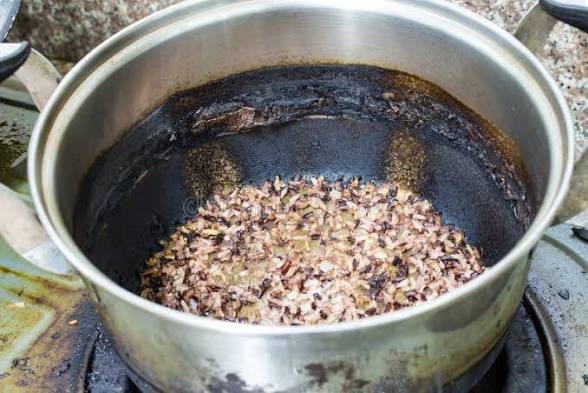
Have you ever eaten food that was slightly burnt and wondered whether it could harm your health? This is a common concern, especially when food becomes black or heavily charred during cooking. The truth is that some chemicals can form when certain foods are cooked at very high temperatures, and regularly consuming heavily charred food may increase exposure to substances that have been linked to cancer. Here is what you should know.
1. Burnt food can contain potentially harmful chemicals
When foods are cooked at very high temperatures, especially when they become heavily browned or charred, certain chemicals can form. For example, acrylamide can develop in some starchy foods during high-temperature cooking, while grilling or charring meat can produce other compounds such as heterocyclic amines and polycyclic aromatic hydrocarbons. Some of these substances have been associated with cancer risk.
2. Eating a small amount of burnt food does not mean you will get cancer
It is important not to panic if you accidentally eat food that is slightly burnt. Cancer risk is influenced by many factors, including long-term diet, lifestyle, genetics, and exposure to different substances. The concern is more about regularly eating heavily charred foods and having repeated exposure over time rather than one burnt meal.
3. Meat can produce more concerning compounds when heavily charred
When meat, poultry, or fish is exposed to very high temperatures, particularly during grilling or cooking directly over flames, compounds such as HCAs and PAHs can form. The amount can increase when the meat becomes heavily charred or when fat drips onto flames and creates smoke. Removing heavily charred portions and avoiding excessive cooking temperatures can reduce exposure.
4. Starchy foods can also form acrylamide
Foods such as potatoes, bread, and other starchy foods can form acrylamide when they are cooked at high temperatures, particularly when they become very brown or burnt. You do not need to completely avoid these foods, but avoiding excessive browning or burning can help reduce your exposure.
5. The safest approach is to avoid regularly eating heavily burnt food
You do not have to throw away every meal that has a slightly browned edge, but it is sensible to avoid making heavily charred food a regular part of your diet. Use moderate cooking temperatures where appropriate, avoid prolonged direct flames, and remove badly burnt or blackened portions before eating.