

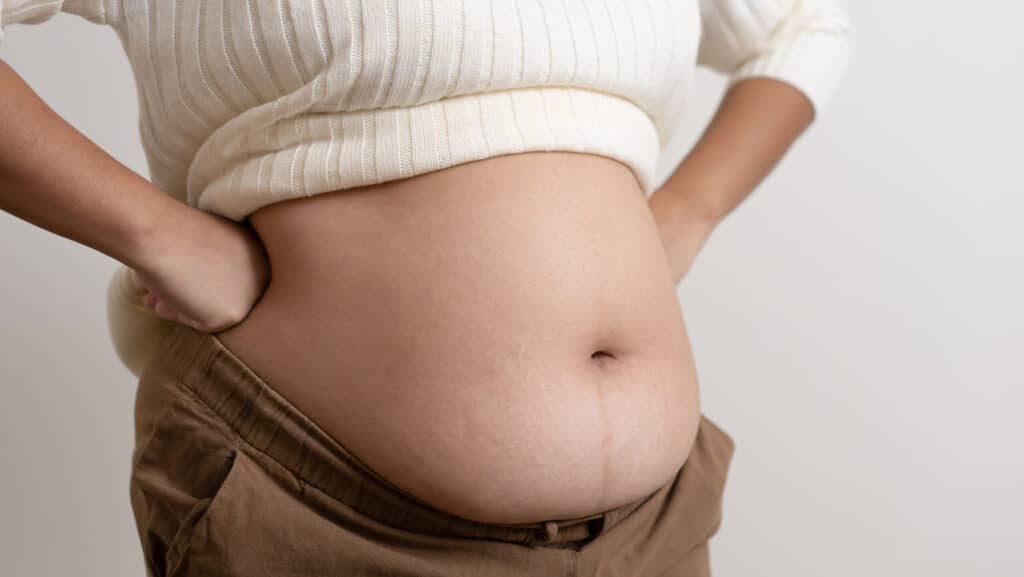
Have you ever eaten a meal and noticed that your stomach suddenly feels bigger, tighter, or unusually full? Sometimes, bloating makes your clothes feel tighter and leaves you uncomfortable for hours. Although it is often linked to digestion, several habits and health conditions can cause it. Here are five common reasons your stomach may be bloated and what you can do about them.
1. Eating Too Quickly
When you eat too fast, you may swallow more air than usual, which can contribute to bloating and gas. Eating large portions quickly can also leave you feeling uncomfortably full. Try eating slowly, chewing your food properly, and taking smaller bites to give your digestive system time to process your meal.
2. Eating Foods That Produce Excess Gas
Beans, cabbage, onions, and some other foods can produce gas as bacteria break down carbohydrates in the intestines. However, these foods do not affect everyone in the same way. If you notice bloating after particular meals, keep track of what you eat and adjust your portions rather than eliminating nutritious foods unnecessarily.
3. Constipation
When stool builds up in the intestines, you may experience abdominal fullness, discomfort, and increased bloating. Drinking enough water, eating fibre-rich foods, and staying physically active can help support regular bowel movements. Increase fibre gradually, because adding too much too quickly may temporarily worsen gas.
4. Drinking Carbonated Beverages
Soft drinks and other fizzy beverages contain gas that can increase burping and abdominal fullness. Drinking them frequently may make bloating worse, especially if you are already sensitive to gas. Try replacing them with plain water and observe whether your symptoms improve.
5. Underlying Digestive Problems
Persistent bloating may sometimes be associated with lactose intolerance, irritable bowel syndrome, coeliac disease, or other digestive conditions. If bloating happens frequently, comes with diarrhoea or constipation, or continues despite changes to your eating habits, consult a healthcare professional to identify the cause instead of relying on home remedies alone.
How to reduce bloating naturally
Eat smaller meals and chew slowly.
Drink water regularly throughout the day.
Walk gently for 10–15 minutes after meals if comfortable.
Limit fizzy drinks and identify foods that consistently trigger symptoms.
Avoid lying down immediately after eating if it makes you uncomfortable.