

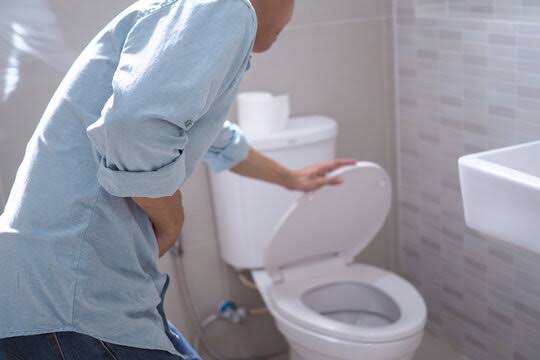
Waking up several times at night to urinate can interrupt your sleep and leave you feeling tired the next morning. This condition is called nocturia, and it can occur for several reasons, including drinking fluids late in the evening, diabetes, urinary problems, or certain medications. Here are five steps that may help reduce nighttime urination.
1. Reduce Fluids Close To Bedtime
Try drinking enough water throughout the day and reducing large amounts of fluid during the last two to three hours before bedtime. However, do not deliberately dehydrate yourself, especially in hot weather. Your body still needs adequate fluids to function properly.
2. Avoid Caffeine Late In The Day
Coffee, strong tea, energy drinks, and other caffeinated beverages can increase urine production or irritate the bladder in some people. Try avoiding them in the afternoon and evening to see whether your sleep improves.
3. Empty Your Bladder Before Sleeping
Make urinating part of your bedtime routine. Take your time and allow your bladder to empty comfortably before going to bed. If you have swollen ankles, elevating your legs for a while in the late afternoon may also help some of the fluid return to your circulation before bedtime, reducing the amount your body needs to eliminate overnight.
4. Reduce Alcohol And Very Salty Evening Meals
Alcohol can increase urine production, while salty meals may make you thirstier and lead you to drink more. Reducing alcohol and avoiding excessively salty evening meals may help some people experience fewer nighttime bathroom trips.
5. Find Out Whether An Underlying Health Problem Is Responsible
Frequent nighttime urination can sometimes be associated with diabetes, urinary tract infections, an overactive bladder, prostate enlargement in men, sleep disorders, or certain medications. If you regularly wake up two or more times each night, or the problem continues despite changing your habits, arrange a medical assessment. A clinician may recommend urine testing, blood glucose testing, or other checks based on your symptoms.
Related posts:

Can Eating Burnt Food Really Cause Cancer? What You Need To Know

4 Common Health Problems After Age 60 And How To Reduce Your Risk

5 Natural Remedies People Use For Grey Hair And What You Should Know

3 Warning Signs Your Blood Circulation Is Poor That You Should Never Ignore
4 Health Benefits Of Drinking Coconut Water That You Should Know