

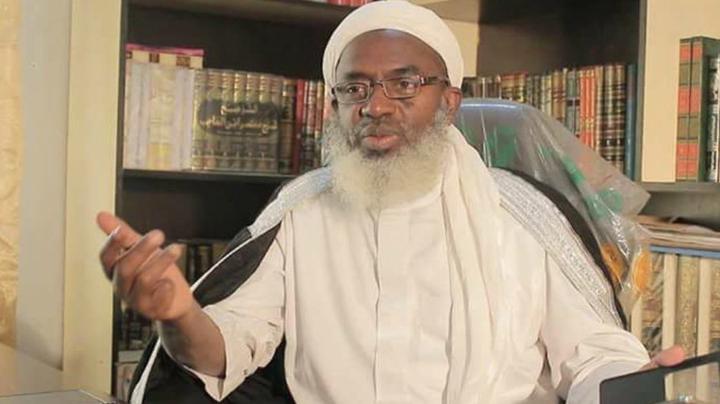
Islamic cleric Sheikh Ahmad Gumi has stirred debate with a strong statement on global diplomacy and conflict resolution, drawing parallels between international relations and Nigeria’s internal security challenges. Speaking in a video shared on Facebook, Gumi referenced the long-standing tensions between Iran and the United States to argue that dialogue remains a necessary tool, even between deeply opposed parties.
According to him, both Iran and the United States have historically viewed each other in hostile terms, often branding one another as threats or even terrorists. Despite this, the two nations have engaged in negotiations at various points, sitting across the table in pursuit of mutual interests or de-escalation. Gumi used this example to challenge the narrative that governments should never engage in dialogue with groups they consider enemies.
“Iran and the USA see each other as terrorists, yet they are negotiating; so don’t tell me ‘we don’t dialogue with terrorists,’” he said, emphasizing what he described as the hypocrisy in refusing negotiations under certain labels.
Gumi’s comments appear to be directed at ongoing debates in Nigeria about how best to handle insecurity, particularly in dealing with armed groups. Over the years, there has been disagreement over whether negotiation or force should be the primary approach in resolving conflicts involving insurgents or bandits.
By referencing global powers like the United States and Iran, Gumi suggested that even the most entrenched conflicts can involve dialogue when it serves strategic purposes. His remarks highlight a broader argument that communication channels, even with adversaries, can sometimes lead to reduced tensions or practical solutions. Read_More…