

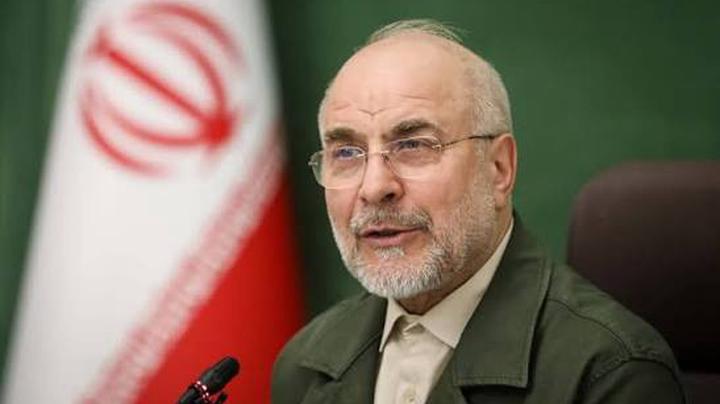
As reported by The Times of Israel on April 24, 2026, Mohammad Bagher Ghalibaf, who had been representing Iran in delicate discussions with Washington, has resigned after facing notable internal conflicts. Information acquired by Iran International suggests that his departure was not an isolated event but came after a reprimand connected to his negotiation tactics.
Ghalibaf is said to have aimed to widen the discussions to cover Iran’s nuclear program, which seemed to contradict existing instructions within Iran’s political framework.
The reported conflict highlights ongoing rifts among Iranian leaders concerning the proper approach for dealing with the United States. While certain groups might support a broader negotiation agenda, others appear to wish to keep strict limits, especially regarding nuclear issues. Ghalibaf’s exit indicates that the latter viewpoint currently carries more weight, emphasizing a careful and restrained diplomatic approach. This situation illustrates how the internal political landscape in Iran continues to influence not only leadership positions but also the course and scope of international talks.
Following his resignation, focus has shifted to possible successors, with hardline figure Saeed Jalili becoming a prominent contender for the role. Meanwhile, Abbas Araghchi, Iran’s Foreign Minister, is reportedly seeking to take over the negotiations. The rivalry between these individuals mirrors wider ideological trends within Iran’s political system, where competing ideas about diplomacy with the United States still strive for prominence, influencing the nation’s strategic direction…Read_More…