Good blood circulation helps your body deliver oxygen and nutrients to different organs, tissues, and muscles. When circulation is affected, you may notice certain changes in your body. However, these signs can also have other causes, so they should not be ignored or used to diagnose yourself.

Here are five signs that may indicate a circulation problem.

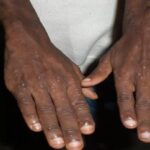
1. Cold Hands And Feet

If your hands and feet frequently feel cold even when the weather is warm, it may be related to reduced blood flow. However, cold extremities can also result from cold temperatures, anaemia, thyroid problems, or other conditions. If the problem happens regularly, speak with a healthcare professional.

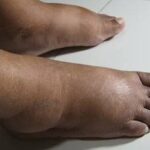
2. Swelling In Your Legs And Ankles

Swelling around your ankles, feet, or lower legs can sometimes be associated with circulation problems. It may also result from prolonged sitting, certain medications, or heart, kidney, or vein conditions. Sudden swelling in one leg, especially with pain or redness, requires urgent medical assessment.

See also  4 Benefits Of Drinking Warm Water Every Morning Before Eating Anything

3. Numbness Or Tingling In Your Hands And Feet

A persistent pins-and-needles sensation or numbness may occur when nerves are affected or blood supply is reduced. Diabetes, nerve compression, and vitamin deficiencies can also cause these symptoms. Seek medical advice if the sensation keeps returning or does not go away.

4. Leg Pain When Walking

If your calf or thigh muscles hurt when you walk but the pain improves after resting, it could be a sign of peripheral artery disease, a condition in which narrowed arteries reduce blood flow to the legs. Do not dismiss recurring walking-related leg pain, particularly if you smoke or have diabetes, high blood pressure, or high cholesterol.

5. Wounds That Heal Slowly

Cuts or sores on your feet and legs that take unusually long to heal may indicate poor blood supply, especially in people with diabetes or artery disease. Watch for changes in skin colour, increasing pain, or wounds that are getting worse, and seek medical attention promptly.

See also  How Long Should You Really Use Your Toothbrush? Most People Get This Wrong

Leave a Reply

Your email address will not be published. Required fields are marked *

You missed

5 Reasons Why Some People Have Visible Veins Showing Through Their Skin Have you ever noticed that some people have veins that are clearly visible on their hands, arms, legs, or other parts of their bodies, while others have veins that are barely noticeable? In many cases, this is completely normal. However, certain changes in the appearance of veins may sometimes require medical attention. Here are five reasons why veins may become more visible beneath the skin. 1. Naturally Thin Skin Some people have thinner skin, making the veins underneath easier to see. This can be influenced by genetics and may become more noticeable as a person gets older. If your veins have always been visible and have not changed suddenly, it is often a normal physical characteristic. 2. Low Body Fat People with lower body fat may have more visible veins because there is less fatty tissue between the skin and the blood vessels. This is common among naturally slim individuals and people who exercise regularly. Visible veins alone do not necessarily mean someone is unhealthy or underweight. 3. Regular Exercise Physical activity can temporarily make veins more prominent because exercise increases blood flow to working muscles. Strength training may also increase muscle size, pushing veins closer to the skin’s surface. This is particularly noticeable after workouts and is often harmless. 4. Hot Weather And High Temperatures When your body gets hot, blood vessels near the skin can widen to help release heat. As a result, veins may appear more noticeable, especially on your hands and arms. Their appearance often returns to normal when your body cools down. 5. Ageing And Changes In The Veins As people age, their skin may become thinner and lose some of its elasticity, making veins easier to see. In addition, weakened vein valves can contribute to varicose veins, which often appear enlarged, twisted, or raised, particularly in the legs. When Should You Be Concerned? Visible veins are usually harmless when they have been present for a long time without other symptoms. However, seek medical attention if a vein becomes suddenly prominent or is accompanied by pain, redness, warmth, or swelling. Sudden swelling or pain in one leg needs urgent assessment. Remember: The visibility of your veins alone does not tell you whether your blood circulation is good or bad. Their appearance depends on several factors, including genetics, skin thickness, body fat, temperature, and physical activity.