

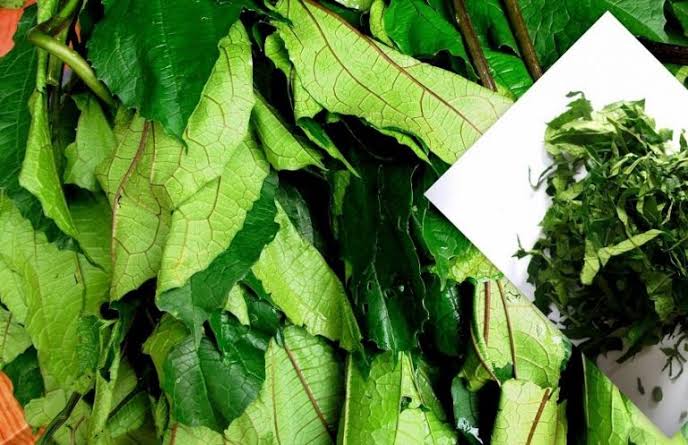
As people grow older, the body becomes more vulnerable to certain chronic conditions, including heart disease, type 2 diabetes, and osteoporosis. Although no single food can prevent every disease, eating a variety of vegetables can provide essential vitamins, minerals, fibre, and antioxidants that support good health. If you are in your 60s or caring for an older loved one, here are five vegetables worth including in regular meals.
1. Spinach and Other Dark Leafy Greens
Dark leafy greens such as spinach contain folate, vitamin K, and other nutrients that support normal body functions. Vitamin K contributes to healthy blood clotting and bone health, while leafy greens provide nutrients that help maintain overall health as you age. You can add spinach to soups, stews, or egg dishes. If you take warfarin, keep your vitamin K intake consistent and discuss dietary changes with your healthcare professional.
2. Carrots
Carrots are rich in beta-carotene, which the body converts into vitamin A. This vitamin supports normal vision, immune function, and healthy skin. Carrots also provide fibre, which helps support digestion and regular bowel movements. You can eat them raw after washing them properly or add them to vegetable soups, rice dishes, and stews.
3. Broccoli
Broccoli contains fibre, vitamin C, vitamin K, and other beneficial plant compounds. Including broccoli in a balanced diet can help support digestive health and provide nutrients needed for normal immune function and bone maintenance. Its fibre content can also help you feel satisfied after meals. If broccoli is not readily available, cabbage and other vegetables can contribute to a similarly varied, nutritious diet.
4. Tomatoes
Tomatoes provide vitamin C, potassium, and lycopene, an antioxidant associated with various health benefits. Research suggests that diets rich in vegetables and other plant foods support cardiovascular health. Tomatoes can be eaten fresh, added to salads, or cooked into soups and stews. Cooking tomatoes with a little oil can also help the body absorb lycopene.
5. Okra
Okra is a useful source of fibre and contains nutrients such as folate and vitamin C. Fibre supports bowel regularity and contributes to a healthy digestive system. Including okra in soups and stews can help older adults increase their vegetable intake without making major changes to familiar meals. Combine it with other vegetables, whole grains, and suitable protein sources for a balanced diet.