

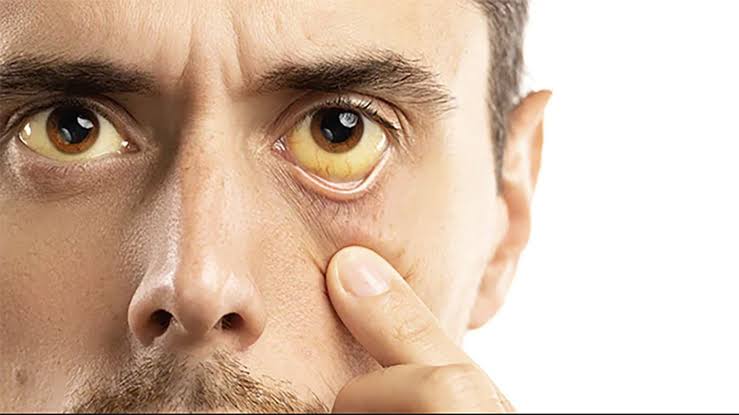
Your eyes work every day, but many of us rarely think about how our daily habits may be affecting them. Spending long hours looking at screens, rubbing your eyes, or even forgetting to wear protective eyewear can contribute to eye strain, dryness, irritation, or other problems over time.
Some habits may seem harmless because you have been doing them for years, but they can still affect your eye comfort and health. Here are seven everyday habits worth paying attention to.
1. Staring at your phone or computer for too long
Spending long periods looking at a screen can cause digital eye strain, which may lead to tired eyes, dryness, blurred vision, headaches, or difficulty focusing. You also tend to blink less when concentrating on a screen, which can make your eyes feel dry. Taking regular breaks and looking at something farther away can give your eyes a chance to relax.
2. Rubbing your eyes frequently
Rubbing your eyes may feel relieving when they are itchy or tired, but doing it frequently can irritate the delicate tissues around your eyes. Strong rubbing can also cause temporary changes to the shape of the cornea and may be particularly harmful for people with certain eye conditions. Instead of rubbing, try gently rinsing your eyes or addressing what is causing the irritation.
3. Reading in poor lighting
Reading in dim lighting does not permanently damage healthy eyes, but it can make your eyes work harder and may contribute to eye strain, headaches, or tiredness. Whether you are reading a book or using your phone, make sure there is enough comfortable lighting around you so you do not have to strain to see.
4. Not wearing sunglasses in strong sunlight
Regular exposure to ultraviolet (UV) radiation from the sun can increase the risk of certain eye problems over time. Wearing sunglasses that provide proper UV protection when you are outdoors can help protect your eyes from excessive sunlight. A hat with a brim can also provide additional protection.
5. Sleeping with your contact lenses
Sleeping in contact lenses that are not specifically approved for overnight wear can reduce the amount of oxygen reaching your cornea and increase the risk of serious eye infections. If you wear contact lenses, follow the instructions provided by your eye-care professional and give your eyes the recommended time without them.
6. Using someone else’s eye makeup or not replacing old makeup
Sharing eye makeup can transfer bacteria and other microorganisms between people, increasing the risk of eye infections. Old makeup can also accumulate bacteria over time. Avoid sharing products such as mascara and eyeliner, and replace eye makeup according to the manufacturer’s recommendations.
7. Ignoring changes in your vision
Ignoring recurring blurry vision, eye pain, flashes of light, new floaters, unusual sensitivity to light, or other changes can allow an underlying eye problem to go unchecked. Not every change in vision is serious, but persistent or sudden symptoms deserve attention. Getting your eyes checked when you notice unusual changes can help identify problems early.