

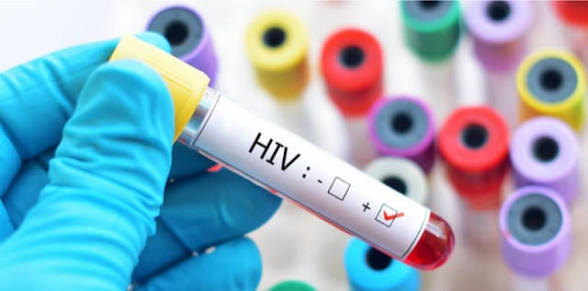
Have you ever wondered why some people seem less likely to acquire HIV even after a potential exposure? Scientists have discovered that genetics, biological differences, and certain preventive measures can influence a person’s risk of HIV infection. However, no one should assume they are naturally protected against HIV simply because they rarely get sick or have had previous exposures without becoming infected.
Here are four important factors that help explain why HIV infection does not occur in every exposure.
1. Genetic Differences That Affect How HIV Enters the Body
Some people carry rare genetic variations, such as a mutation in the CCR5 gene, that can make it much harder for certain strains of HIV to enter immune cells. People with two copies of the CCR5-delta-32 mutation have strong resistance to HIV strains that rely on the CCR5 receptor. However, this mutation is uncommon in people of African ancestry, and it does not protect against every HIV strain.
2. Differences in the Immune System
People’s immune systems do not all respond to infections in exactly the same way. Certain genetic variations can help some individuals mount stronger immune responses against HIV. Researchers have identified immune-system genes and specialised immune cells that may help control the virus in a small number of people. However, these differences do not guarantee protection from infection.
3. Using Medicines That Prevent HIV Infection
Some people significantly reduce their risk of acquiring HIV by taking pre-exposure prophylaxis (PrEP). When used as prescribed, PrEP can reduce the risk of getting HIV through sex by about 99%. This is not natural immunity; it is protection provided by medication.
4. The Type and Circumstances of Exposure
HIV is not transmitted through every contact with a person who has the virus. The likelihood of transmission depends on factors such as the type of exposure, whether an effective prevention method was used, and the amount of virus present. For example, a person living with HIV who takes treatment and maintains an undetectable viral load does not transmit HIV through sex.