

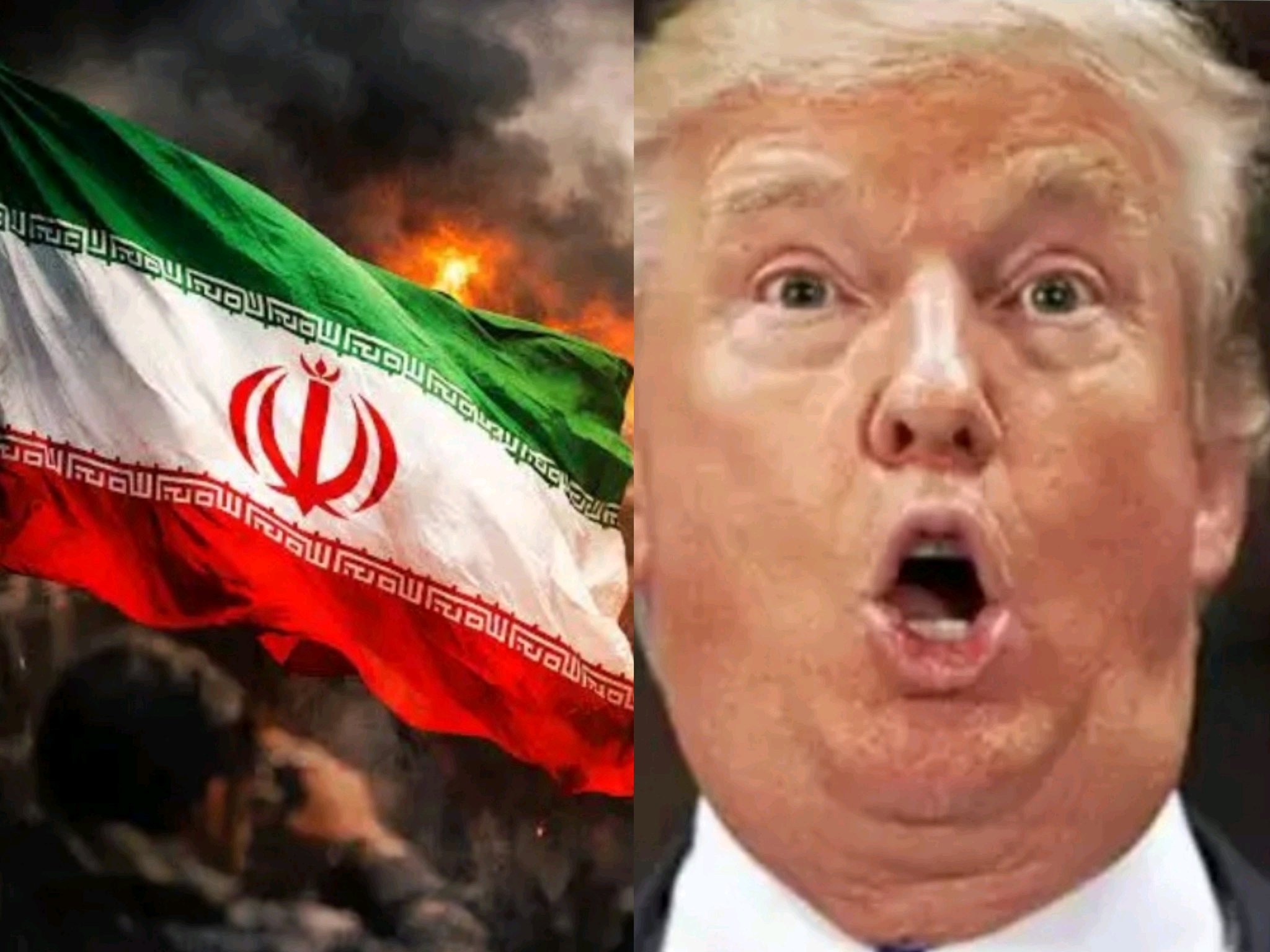
The decision to pause military operations against Iran and enter a ceasefire period has handed Tehran a significant strategic advantage, according to Alex Traiman, CEO of JNS TV from 30:26, who warned that the moment bombing stops, Iran recalibrates its position and begins betting that Washington has lost its appetite for renewed conflict.
Speaking during the Jerusalem Minute broadcast on JNS TV, Traiman offered a blunt assessment of the dynamics shaping the US-Iran ceasefire negotiations. “The second you stop, you’re actually giving the Iranians a lot more leverage,” he said, “because they’re hedging that you don’t want to fight again.” The warning cut to the heart of what Traiman argued was a fundamental miscalculation embedded in the ceasefire approach — that pausing pressure would create space for diplomacy when, in his assessment, it was doing precisely the opposite.
Traiman grounded his argument in the recent history of negotiations between the United States and Iran. He noted that Trump had previously given Iran a ten-day window to reach an agreement, which Tehran failed to honour, ultimately triggering Operation Epic Fury. A subsequent fourteen-day ceasefire was now approaching its deadline, and Traiman expressed scepticism that the pattern would produce a different result. Iran, he argued, had demonstrated through both negotiating rounds that it responded to pressure rather than pauses.
He reinforced this point by referencing Prime Minister Netanyahu’s own doctrine. Netanyahu, Traiman observed, had long maintained that the only effective way to negotiate with adversaries in the region was under fire. Ceasing operations, even temporarily, undermined that leverage and signalled to Tehran that Washington was searching for an exit rather than a resolution on its own terms.
Traiman acknowledged that President Trump had expressed a desire to move away from the military phase of the conflict, suggesting the original air campaign had been conceived as a four-to-six-week operation with defined objectives. Yet he cautioned that Iran was acutely aware of this disposition and was exploiting it. The ceasefire, he argued, had given Iran room to manoeuvre — including its decision to once again tighten its grip on the Strait of Hormuz in the days following the pause. Read_More…