

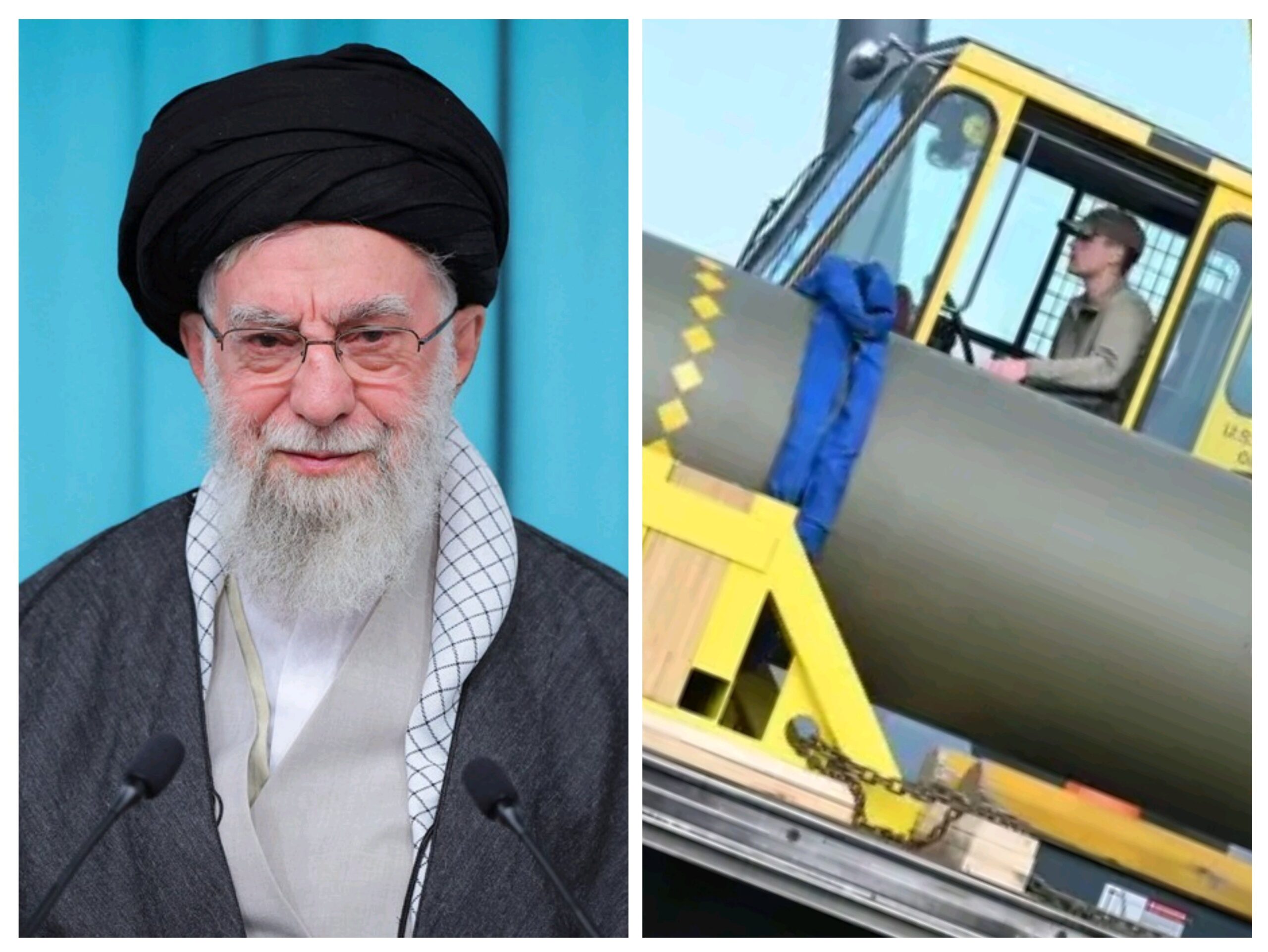
In a pointed intervention on Al Jazeera from 3:19, a Gulf-based academic has highlighted a dimension of Iran’s position on nuclear weapons that he argues is consistently overlooked in Western diplomatic discourse, namely the existence of a binding religious ruling that expressly prohibits Tehran from developing such weapons.
Muhammad Elmasry, Professor at the Doha Institute for Graduate Studies, raised the issue while challenging what he described as the difficulty of understanding the Trump administration’s stated rationale for its maximalist demands on the nuclear question.
“Iran already signed up to a deal, the JCPOA, in 2015, that would have made it effectively impossible for them to get a nuclear weapon,” Elmasry said.
“They have a fatwa on the books, a religious edict on the books that forbids them from developing a nuclear weapon. There is no indication, not even from US intelligence, that they were building a nuclear weapon or close to getting to a nuclear weapon. And all they’ve really asked for here is the right, which is their right under international law, to enrich uranium to peaceful civilian levels.”
The significance of the fatwa, Elmasry suggested, should not be underestimated. Within Iran’s system of governance, religious edicts carry constitutional weight and political authority. A standing fatwa against nuclear weapons development represents, in this context, not merely a diplomatic talking point but a doctrinal constraint with real domestic force.
Elmasry situated this fact within a broader argument about the gap between Iran’s actual recorded positions and the way those positions are characterised in American policy discourse. He noted that Iran voluntarily entered the JCPOA in 2015, accepting stringent limits on its nuclear programme under international supervision, and that its compliance with that agreement was verified by international inspectors before the United States unilaterally withdrew from the deal during the first Trump administration.
He also pointed to Tehran’s proposals regarding its stockpile of highly enriched uranium as further evidence of Iranian flexibility. Iran, he said, has offered both to dilute the material and to offshore it, representing concrete and verifiable steps toward addressing one of the central technical concerns underpinning the nuclear dispute…Read_More…