

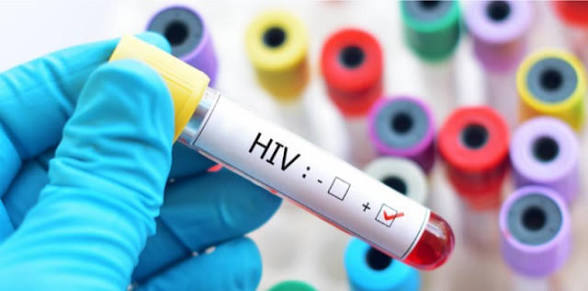
HIV affects people differently, and researchers have identified biological factors that can influence how susceptible a person is to infection. However, nobody should assume they are protected from HIV because they appear healthy or have had previous sexual encounters without becoming infected. Understanding these factors can help separate scientific facts from common myths.
Here are three reasons why some people may show greater natural resistance to HIV infection.
1. Genetic Differences That Affect How HIV Enters Cells
HIV enters certain immune cells by attaching to proteins on their surface, including a receptor called CCR5. Some people inherit a rare genetic variation known as CCR5-delta32, which can prevent the CCR5 receptor from functioning normally. People who inherit two copies of this particular variation have strong resistance to infection by many strains of HIV that use CCR5 to enter cells. However, this variation is uncommon and does not protect against every type of HIV. Having one copy may provide partial protection against some strains, but it does not make someone immune.
2. Differences in the Immune System
People naturally differ in how their immune systems recognise and respond to viruses. Certain genetic variations in immune-system proteins, including human leukocyte antigens (HLA), can help some people control HIV more effectively after infection. A small group known as HIV controllers can maintain unusually low levels of the virus without antiretroviral treatment for a period of time. However, controlling HIV after infection is not the same as resisting infection in the first place. These differences do not guarantee protection from HIV.
3. Differences in the Body’s Natural Defences
The body’s natural barriers and immune responses can influence the likelihood of HIV transmission. For example, healthy mucosal tissues help protect areas such as the genital tract, while immune cells and other protective factors contribute to local defences. However, these barriers can be overcome when HIV enters the body through a route that allows transmission. Factors such as the type of exposure, the presence of other sexually transmitted infections, and whether the person with HIV is receiving effective treatment can also affect transmission risk.
Related posts:

5 Important Tests You And Your Partner Should Consider Before Getting Married
7 Daily Habits That Could Be Harming Your Eyes Without You Realizing It
7 Foods That Help Lower Your Risk Of Stroke As You Grow Older

Can Eating Burnt Food Really Cause Cancer? What You Need To Know

8 Ways To Lower Excess Blood Sugar Naturally Without Taking Drugs