

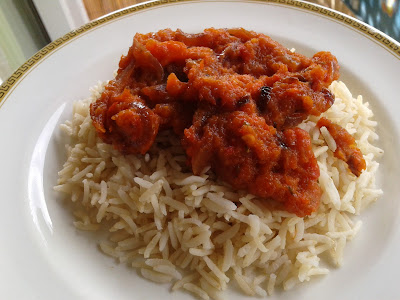
White rice is a common food in many Nigerian homes. It is affordable, easy to prepare, and can be enjoyed with beans, vegetables, fish, or stew. However, eating large portions frequently, especially without enough protein and fibre, may affect your health over time. Here are five potential health concerns to understand before making white rice a daily staple.
1. Increased Blood Sugar Levels
White rice is a refined carbohydrate that the body digests relatively quickly. Eating large portions can cause blood sugar to rise, particularly in people with diabetes or insulin resistance. Pairing rice with vegetables, beans, fish, or other protein sources can help make your meal more balanced.
2. Unwanted Weight Gain
White rice does not automatically cause weight gain. However, consistently eating more calories than your body needs can lead to excess weight. Large servings combined with calorie-dense stews, fried meat, or sugary drinks may make it easier to consume too many calories.
3. Increased Risk of Type 2 Diabetes
Research has linked high white rice consumption with an increased risk of type 2 diabetes in some populations, particularly where rice is eaten frequently in large quantities. This does not mean rice directly causes diabetes in everyone. Overall diet, physical activity, genetics, and body weight also influence the risk.
4. Low Fibre Intake
White rice contains less fibre than brown rice because its outer layers are removed during processing. If white rice replaces fibre-rich foods such as vegetables, beans, fruits, and whole grains, your diet may not provide enough fibre to support healthy digestion and regular bowel movements.
5. Nutritional Imbalance
White rice provides energy, but it is not a complete source of all the nutrients your body needs. Depending heavily on rice while neglecting protein, vegetables, fruits, and other nutritious foods may leave gaps in your diet. A balanced plate helps you obtain a wider range of vitamins, minerals, and essential nutrients.