

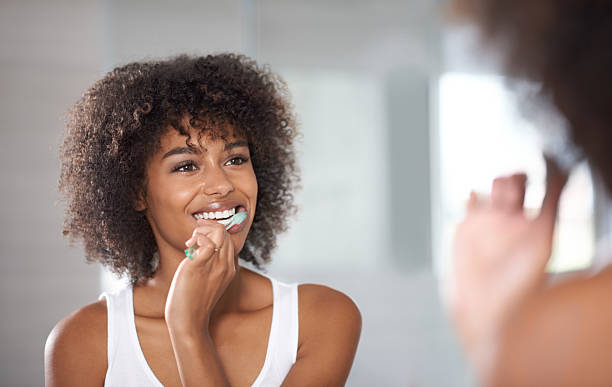
Many people brush their teeth every day but do not pay much attention to how long they have been using the same toothbrush. Over time, toothbrush bristles can become worn out and less effective at cleaning your teeth properly. If you cannot remember the last time you changed yours, these simple tips can help you know when it is time for a new one.
1. Change your toothbrush every 3 to 4 months
Dentists generally recommend replacing your toothbrush or toothbrush head every 3 to 4 months. After several months of regular use, the bristles can become worn and may not clean your teeth and gums as effectively as they did when the brush was new.
2. Change it sooner if the bristles look worn
You do not always have to wait three months before replacing your toothbrush. If the bristles become bent, flattened, spread out, or damaged, it may be time to get a new one. Worn-out bristles may not clean your teeth properly and can make brushing less effective.
3. Consider replacing it after an illness
After recovering from certain infections, especially those affecting your mouth or throat, replacing your toothbrush can be a simple hygiene measure. However, a new toothbrush alone cannot prevent you from becoming sick again if the infection or exposure is still present.
4. Keep your toothbrush clean and dry
After brushing, rinse your toothbrush thoroughly with clean running water and store it upright where it can dry naturally. Avoid keeping it in a closed container while it is still wet because moisture can encourage the growth of microorganisms. Also, never share your toothbrush with another person.
5. Do not wait until the brush is completely damaged
Your toothbrush can become less effective before it looks completely worn out. Making it a habit to replace your toothbrush every 3 to 4 months can help you maintain good oral hygiene. If you use an electric toothbrush, follow the manufacturer’s instructions for replacing the brush head.