
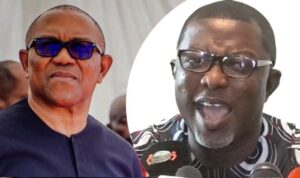

2027: What God Said To Me, I’m Still Praying, God Said Help My People To See The Right Leader -El-Buba Says
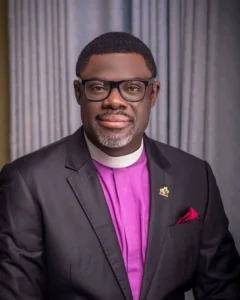
Prophet Isa El-Buba has said he is still praying about what he believes God wants him to do regarding Nigeria’s 2027 elections. El-Buba made this known during an interview from…
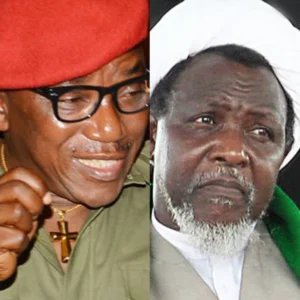
El-Zakzaky: When His 2 Children Were Killed During Jonathan’s Time, I Said “Mallam, Accept This -Dalung Reveals
Former Minister of Youth and Sports Development, Solomon Dalung, has recounted how he consoled the leader of the Islamic Movement in Nigeria, Sheikh Ibrahim El-Zakzaky, after two of his children…
JUST IN: Daniel Bwala Reacts as Arise TV Anchor Rufai Oseni Says He Wants to Interview President Tinubu
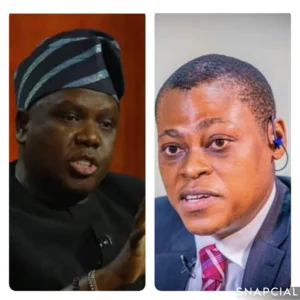
Special Adviser to President Bola Tinubu on Media and Policy Communication, Daniel Bwala, has reacted to Arise TV anchor Rufai Oseni’s reported interest in interviewing the President, accusing the journalist…
Zaria Massacre: Buratai Told Me His Generals Insisted On Passing That Road Or They’d Quit Army -Solomon Dalung Says
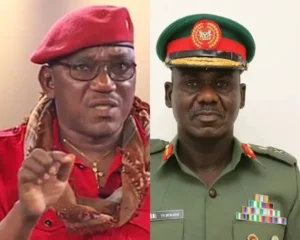
In an interview from 20:30 with Channels Television, Solomon Dalung, a former minister, stated that he had a conversation with then Chief of Army Staff, General Tukur Buratai, after the…
It Is Time For Us To Completely End The Islamic Republic and Tear Down Their Terrible Govt -Jim Hansen
Retired Army Special Forces veteran Jim Hansen has suggested that the United States could eventually consider regime change in Iran as economic pressure continues to weigh heavily on the Islamic…
Nobody Can Beat Kwankwaso In Kano, I Can Bet It If The Election Is Credible, Free And Fair -Victor Umeh
A video from 1:20 that was posted on the official X account of Channels TV on September 11, 2026 has captured the moment the lawamker representing Anambra state at the…
Abike Dabiri Reacts As X User Criticizes Arise Tv Anchor, Rufai Oseni For Sharing A Post About Peter Obi
Social media users have taken to their official X account on Saturday, September 12, 2026 to react to the statement that was made by the Chairman of Nigerians in Diaspora…
BREAKING: The First Thing We Did After We Heard Peter Obi’s Vehicle Was Attacked By People In Benue -Dickson
A video that was posted on the official X account of Arise News has captured the moment the National Leader of the Nigeria Democratic Congress, NDC, Seriake Dickson was explaining…
Dickson: We Went To Campaign In Edo Against Oshiomhole, He Was At Airport Receiving The Delegation
During an interview from 21:04 on Arise Television on Wednesday, September 9, 2026, Senator Seriake Dickson, National Leader of the Nigeria Democratic Congress (NDC), has urged governors and other political…
JUST IN: He Asks Question He Doesn’t Have Answer To, When You Flip It Back, He Shouts & Fights -Bwala Reveals
According to a recent statement by Daniel Bwala, Special Adviser to President Bola Ahmed Tinubu on Policy Communication, Arise News anchor Rufai Oseni has come under criticism over what Bwala…