
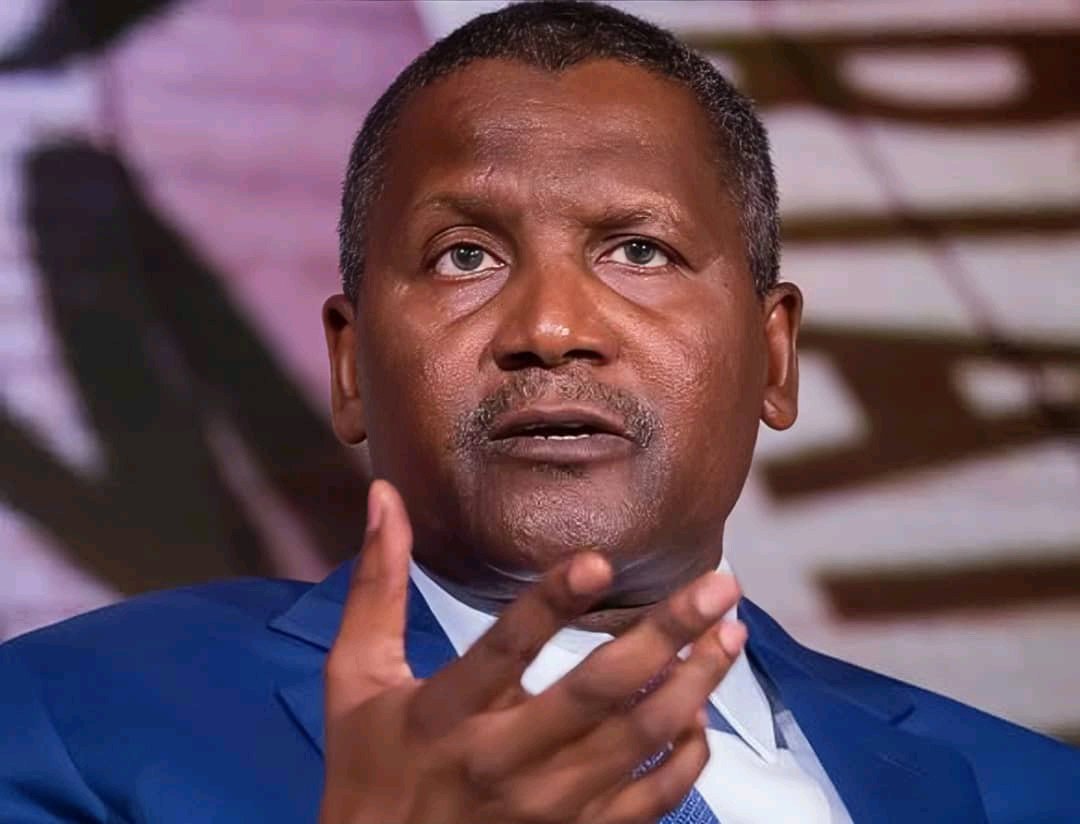
In a recent video on AIT from 04:55, Africa’s richest man, Aliko Dangote, has outlined an ambitious push to transform Nigeria into a major export powerhouse through the development of the largest deep-sea port in West Africa. Speaking during a project briefing, Dangote said the new port—located in Olokola—will address longstanding barriers that have prevented Nigeria from exporting key mineral resources.
Highlighting the challenges faced by miners and exporters across the country, Dangote explained that Nigeria loses billions due to inadequate export infrastructure. “If you have coal, for example, Nigeria is awash with coal. If you are going to export, you can’t export it because there’s no way,” he said. He added that the inability to export other minerals has also held the sector back. “If you have copper you want to export, we cannot,” he noted, stressing that a lack of accessible ports has been a major bottleneck.
To solve this, Dangote revealed that his group has embarked on the construction of what he described as a transformational maritime facility. “That is why people don’t know why we are now opening up the biggest, largest deep-sea port in West Africa—Ola. Olokola, I can guarantee you, is going to be the biggest, largest port,” he said. According to him, the project is already on a fast track timeline. “We will deliver it within the next two, two and a half years,” he assured.
Dangote also spoke about the importance of Nigeria’s new crude supply policy known as the NER (Naira-for-Crude) arrangement, crediting President Bola Tinubu for supporting a bold shift in resource management. “The NER for crude, I think, is a win-win. And I must thank His Excellency, Mr. President, for having that ingenious thinking—saying okay, fine, look, let’s try and do that,” he said.
He commended the government’s efforts through the petroleum committee overseeing the implementation of the policy. “The ministerial committee, they’re actually doing a great job to make sure that yes, it is not really well disturbed,” he explained.
However, despite policy improvements, Dangote acknowledged that challenges remain—particularly with securing adequate crude supply for industrial use. “Where we are having a challenge is getting the crude, you know,” he admitted. View, More,
Explore More News By Using The Button.