

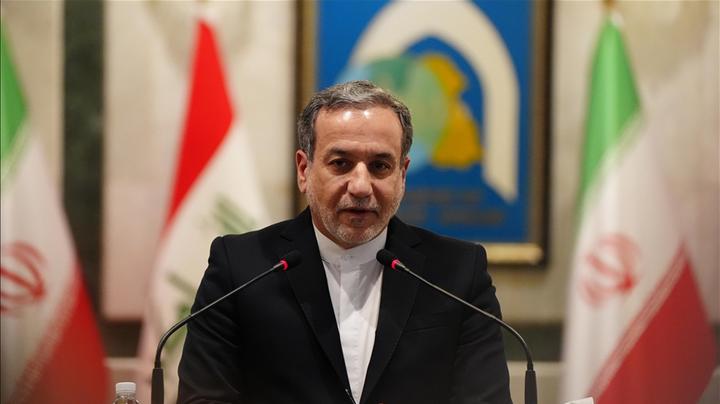
The United States is actively seeking to establish direct communication with a high-ranking decision-maker in Tehran, moving away from indirect channels that have characterized recent interactions.
According to a report by The Times of Israel on March 23, 2026, American officials have explicitly stated their reluctance to continue negotiations through Iran’s Foreign Minister Abbas Araghchi.
They regard him as lacking genuine decision-making power and have described him as merely a conduit who relays messages without influencing outcomes.
Instead, Washington prefers to engage directly with Mohammad Baqer Qalibaf, the Speaker of Iran’s parliament.
Qalibaf maintains close ties to the newly appointed Supreme Leader Mojtaba Khamenei and ranks among the most powerful figures in the Iranian political structure, particularly after the sidelining of Ali Larijani following his assassination.
Mediators from Egypt, Turkey, and Pakistan, who facilitate the current back-channel efforts, report noticeable progress in attitudes on both sides.
Iranian representatives have shown openness to this proposed shift toward direct talks. American counterparts also express eagerness to advance discussions, driven primarily by concerns over global markets and rising oil prices.
The urgency stems from Iran’s actions that have effectively shut down the Strait of Hormuz, the vital maritime passage through which a significant portion of the world’s oil supply passes daily.
This closure has disrupted international energy flows and intensified pressure to find a resolution. Read_More…