

As Nigeria approaches the 2027 general elections, political activities are increasingly influencing the country’s electoral direction.
According to The PUNCH, one of the key developments in the current political climate is renewed efforts by three major opposition figures—Atiku Abubakar, Peter Obi, and Rabiu Musa Kwankwaso—to unite under a single political platform. The objective of this potential alliance is to present a stronger and more coordinated front capable of challenging President Bola Tinubu in the upcoming presidential election.
In the 2023 presidential election, the three candidates contested separately and collectively garnered over 15 million votes. However, because their votes were divided among them, the ruling party emerged victorious in a closely contested race. With ongoing coalition discussions reportedly centered on the African Democratic Congress, many opposition stakeholders believe that a united front could significantly influence the outcome of the 2027 election.
Nevertheless, the proposed alliance is not without challenges. Differences in political ideology, individual ambitions, and existing party structures may pose obstacles that could impact the success of the coalition.
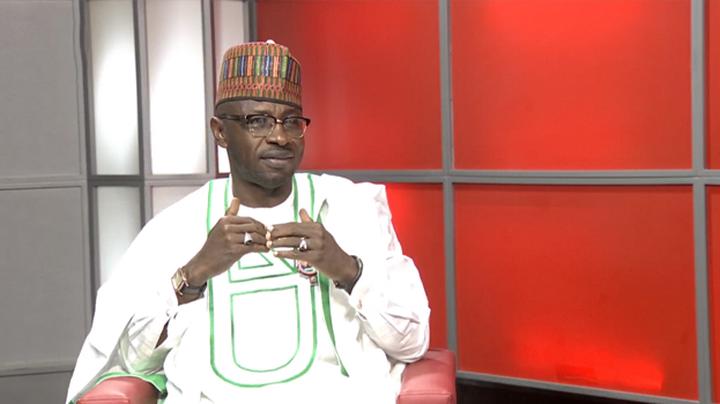
Meanwhile, Obi’s former campaign spokesman and National Coordinator of the Obidient Movement Worldwide, Dr Yunusa Tanko, has expressed confidence in the coalition’s prospects. He suggested that the alliance could attract more support than the combined 15 million votes recorded in the previous election, indicating that a unified opposition could perform even better if properly coordinated.
“We are optimistic that if the three of them agree to work together, they could even get more than the combined 15 million votes they got in 2023. With a concerted and concentrated effort, they can get far more considering the level of poverty and hunger in the system,” he said.
Tanko described the current socio-economic situation in the country as challenging, pointing to issues such as rising poverty, unemployment, insecurity, and persistent power supply problems as factors that could influence voters’ decisions.
He noted that many young people are struggling to find jobs and that the electricity situation remains poor, arguing that these conditions reflect the low standard of living in the country. He added that growing public frustration over these issues could play a significant role in shaping how Nigerians vote in the 2027 elections.
He also raised concerns about voter participation, questioning the low turnout compared to the country’s population. He pointed out that although Nigeria has over 200 million people and about 98 million registered voters—possibly rising to around 100 million—only a fraction of them typically participate in elections. He suggested that if voter turnout were higher, similar to what is seen in countries like India, the number of votes cast could be significantly larger.
Addressing claims that the opposition figures were losing influence, Tanko dismissed such suggestions, insisting instead that they were becoming more coordinated and better organised.
“They are even getting better organised now, realising the situation that the country needs to be salvaged. It is a serious issue looking at everybody in the face.” Read_More…