

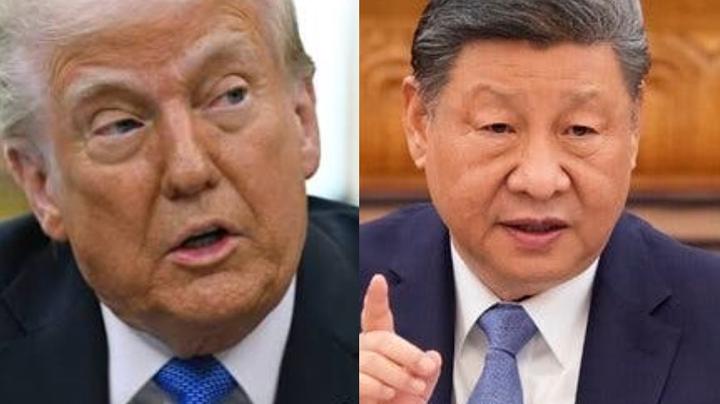
According to a report from 7:12 by News Central TV, as tensions continue to simmer in the Middle East, a prominent geopolitical analyst has argued that the burden of securing the Strait of Hormuz should shift away from the United States and toward nations that remain heavily dependent on regional energy, specifically China.
Speaking on the strategic landscape of global energy security on Tuesday, March 17, 2026, Dr. Emmanuel Navon, CEO of the Euro-Med Middle East Council (EM2C), emphasized that the “policing” of the high seas must reflect current economic realities rather than outdated 20th-century paradigms.
The cornerstone of Dr. Navon’s argument is the radical transformation of the American energy sector over the last several decades. While the U.S. was once vulnerable to supply shocks from the Middle East, he notes that those days are long gone.
“As I said before, it is not the United States today that needs the Middle East oil,” Dr. Navon stated. “We’re no longer in the 1970s. Today, America is energy sufficient when it comes to oil and natural gas.”
This energy independence, according to Navon, grants Washington a strategic flexibility it did not possess during the oil crises of the past.
It also raises questions about why the U.S. Navy continues to bear the lion’s share of the costs and risks associated with protecting waterways that primarily benefit its economic competitors.
The Strait of Hormuz, which sees roughly a quarter of the world’s oil exports, remains a primary choke point. Dr. Navon pointed out that while the U.S. has reached sufficiency, China’s industrial machine remains tethered to Middle Eastern crude.
“China is not energy sufficient” Navon observed. “And the Chinese should be the one feeling the pressure from the threat of the closing of the of the straits of Hormuz or for the actual closing of the straits of Hormuz.”
The expert’s comments come amid concerns that regional actors could use the threat of a blockade to “blackmail” the global community. Navon argues that if the threat is most acute for Beijing, the responsibility for a solution should lie there as well.
“If they really want their oil to continue to flow from the Middle East, then they should be doing something about it,” he added. Read_More…