

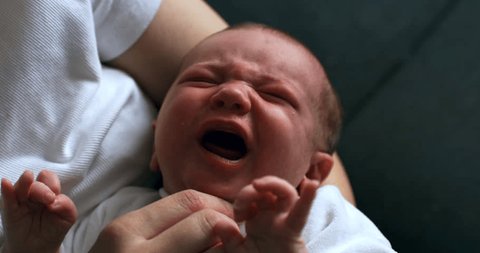
A baby’s first cry is one of the most memorable moments after delivery. But have you ever wondered why newborns often cry as soon as they enter the world? This first cry is not simply an expression of sadness. It is part of the baby’s transition from life inside the womb to breathing and adapting to the outside environment.
1. Their Lungs Begin Working Independently
Inside the womb, a baby receives oxygen through the placenta rather than breathing air with their lungs. After birth, the baby must begin breathing independently. Crying helps move air into the lungs and can support the transition to breathing, although babies can also breathe successfully without crying.
2. They Experience A Sudden Change In Environment
Inside the womb, babies are surrounded by warmth and fluid. After birth, they encounter cooler air, bright lights, sounds and physical contact. These changes can stimulate a newborn and trigger crying as they adjust to their new surroundings.
3. Their Body Must Adjust To Life Outside The Womb
After birth, a baby’s circulation changes as blood flow shifts to support breathing through the lungs. The heart and blood vessels must adapt to this new way of receiving oxygen. A healthy newborn usually makes this transition naturally, with crying sometimes accompanying the process.
4. Crying Helps Them Respond To Stimulation
Touch, handling and other sensations can stimulate a newborn’s nervous system. Crying is one way babies respond to these unfamiliar experiences. It also becomes an important way for them to communicate needs such as hunger, discomfort or the need for comfort after birth.