
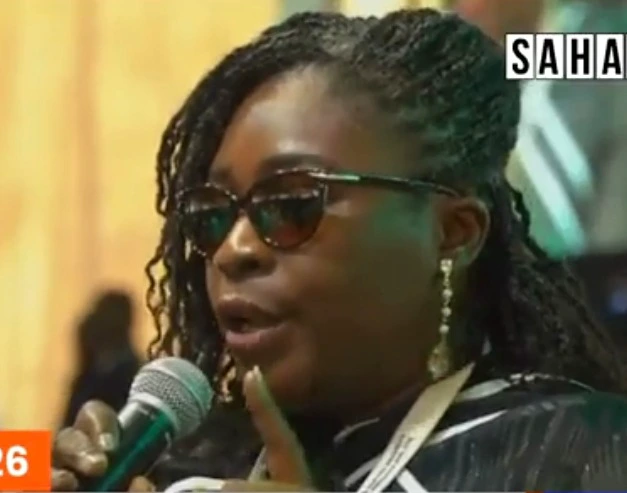
Senior Iranian policymakers and negotiators are no longer simply questioning the terms of a potential diplomatic agreement with the United States — they are now fundamentally questioning whether Washington wants any agreement at all, according to Mohammad Islami, a research fellow in Middle East and North African Studies at Tehran University.
Speaking in a live interview from 2:25 with Al Jazeera, Islami offered a sobering assessment of the state of Iran-US diplomatic engagement, warning that deep uncertainty within Tehran’s political circles is increasingly threatening the viability of any near-term talks.
“In Tehran, the policymakers — and not only the Iranian negotiators — are asking themselves whether the Americans truly want a negotiation or not,” Islami stated, reflecting the growing mistrust that has built up within Iran’s foreign policy establishment.
Islami attributed this crisis of confidence to what he described as a pattern of contradictory and conflicting signals emanating from the Trump administration. He noted that while the Trump team had initially accepted a ten-point proposal put forward by Iranian negotiators during preliminary discussions in Pakistan, their subsequent conduct and public messaging bore little resemblance to the positions they had conveyed through Pakistani mediators.
“The Iranian government and the Iranian negotiators are receiving complex messages from the Trump administration,” Islami explained. “After the Trump team accepted the ten-point proposal by the Iranians, their position was totally different from their previous messages via the Pakistani mediators.”
Compounding the diplomatic uncertainty, Islami pointed to a further deterioration in the atmosphere following what he described as a series of inflammatory communications from President Donald Trump himself, including social media posts that he said misrepresented the factual landscape of ongoing negotiations.
“Trump himself sent so many negative messages to Tehran,” Islami said, “and a lot of what he tweeted was wrong, considering the facts at the negotiating table.”
The situation was then significantly worsened, Islami noted, by what he characterised as a direct US military action against Iranian cargo vessels. The attack, he said, had transformed an already delicate diplomatic environment into one of acute crisis.
As a result, Islami revealed that a serious internal debate has erupted within Iranian decision-making circles over whether to proceed with any future rounds of talks at all. “There is a very serious debate in Tehran right now,” he warned, “whether the Iranians will want to attend the talks or not. It is not clear right now.” Read_More…
