

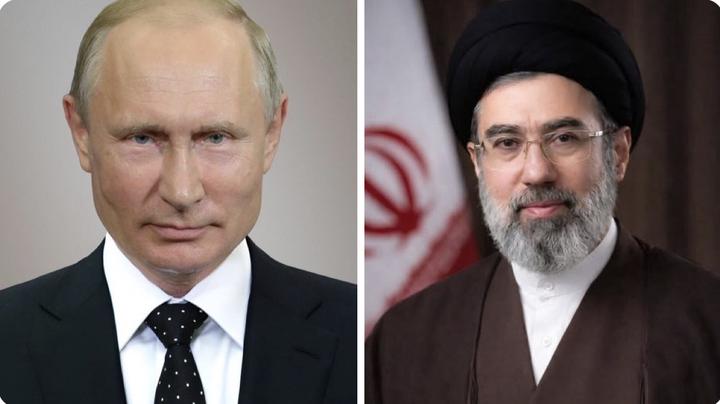
According to a report by The Jerusalem Post on Saturday, April 4, 2026, the Russian government has announced a major shift in its energy trade policy, stating that all forthcoming oil and natural gas transactions with European partners will be conducted using Iran’s national currency rather than traditional Western-denominated systems.
According to officials in Moscow, the move is part of a broader strategy to restructure international trade arrangements and reduce reliance on widely used global currencies such as the U.S. dollar and the euro. The policy signals an effort by Russia to deepen financial cooperation with alternative partners while responding to ongoing economic restrictions imposed by Western nations.
The decision is expected to have far-reaching implications for energy markets, particularly in Europe, where several countries have historically depended on Russian oil and gas supplies. Analysts suggest that shifting to Iran’s currency could introduce new complexities for European buyers, including exchange rate risks, financial logistics, and the need to establish new payment mechanisms.
Russian authorities indicated that the transition would apply to future contracts, with implementation details to be finalized through negotiations with individual European clients. The Kremlin maintains that the change is intended to create a more “balanced and sovereign” framework for international commerce, insulating transactions from external financial pressures.
Economic observers note that the move aligns with a growing trend among certain nations seeking to bypass Western-controlled financial systems. By adopting an alternative currency for major exports, Russia is effectively testing new models of trade settlement that could reshape established norms in global energy markets.
However, the proposal has raised questions about feasibility and acceptance. European governments and energy companies may face practical challenges in adopting the Iranian currency, particularly given existing sanctions and regulatory constraints tied to financial dealings involving Iran. Financial institutions could also encounter compliance issues, potentially complicating the execution of such transactions.
Market analysts warn that uncertainty surrounding the policy could contribute to volatility in energy pricing, especially if negotiations with European buyers encounter resistance or delays. The shift may also influence broader geopolitical dynamics, as countries reassess their energy sourcing strategies and financial alignments. Read_More…