
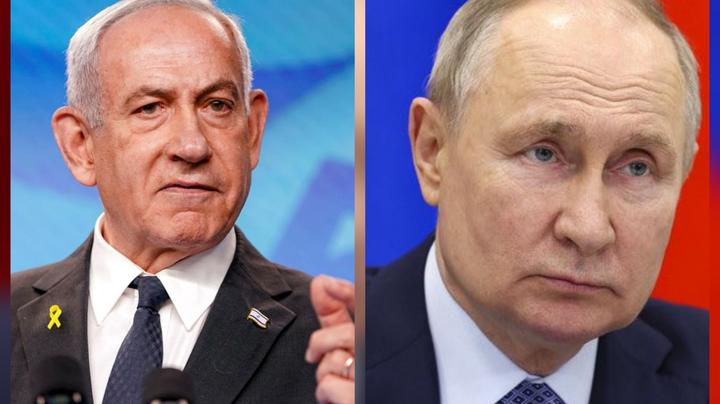
According to the Global Surveillance post on X platform on December 7, 2025, allegedly reported Israeli officials have consistently communicated their apprehension to Russia regarding its expanding military collaboration with Iran, particularly concerning the potential transfer of advanced weaponry.
These warnings are prompted by recent indications of heightened arms transactions between Moscow and Tehran, which Israeli authorities interpret as a significant escalation of regional tensions. The core message emphasizes that such transfers could directly compromise Israel’s national security, especially in the context of evolving geopolitical dynamics conflict between Israel and Iran.
This position underscores Israel’s proactive strategy in monitoring and mitigating perceived threats from adversarial alliances within the Middle East.
Recent intelligence and reports corroborate a substantial arms agreement between Russia and Iran, including a €5-6 billion contract for 48 Su-35 multirole fighter jets, with deliveries anticipated between 2026 and 2028. This comprehensive package includes electronic warfare pods, radar-warning receivers, and spare parts, signifying a considerable enhancement of Iran’s aerial capabilities.
Furthermore, Iran has reported receiving advanced Russian air defense systems in late November 2025, which are expected to bolster its capacity to counter stealth aircraft. These developments follow historical delays in Russian deliveries, but recent evidence suggests an accelerated pace of cooperation amidst Iran’s post-conflict rearmament initiatives.
Israel views these arms transfers as direct threats, particularly the Su-35 jets, advanced radars, and air defense systems, which could significantly augment Iran’s offensive and defensive capabilities against Israeli interests.
Officials contend that providing Iran with such technology risks disrupting the regional balance of power, potentially facilitating more assertive actions or improved resistance to Israeli operations. This concern is amplified by Iran’s documented deployment of Russian-supplied systems in previous engagements, leading Israel to convey that further escalations in military aid could necessitate countermeasures to protect its strategic interests.
These warnings are issued amidst broader dissatisfaction within Tehran regarding Russia’s reliability, prompting Iran to explore alternative defense partnerships, such as with China, for acquisitions including missile systems and fighter jets.
Nevertheless, the Russia-Iran axis endures, driven by mutual strategic imperatives, including Russia’s focus on other markets like India. This dynamic highlights the evolving alliances in the region, with Israel advocating for restraint to prevent further destabilization, while concurrently monitoring potential joint U.S.-Israeli responses to emerging threats. View, More,
Explore More News By Using The Button.